H5 mRNA–LNP vaccine cuts H5N1 virus in milk about 1,000-fold in lactating dairy cows
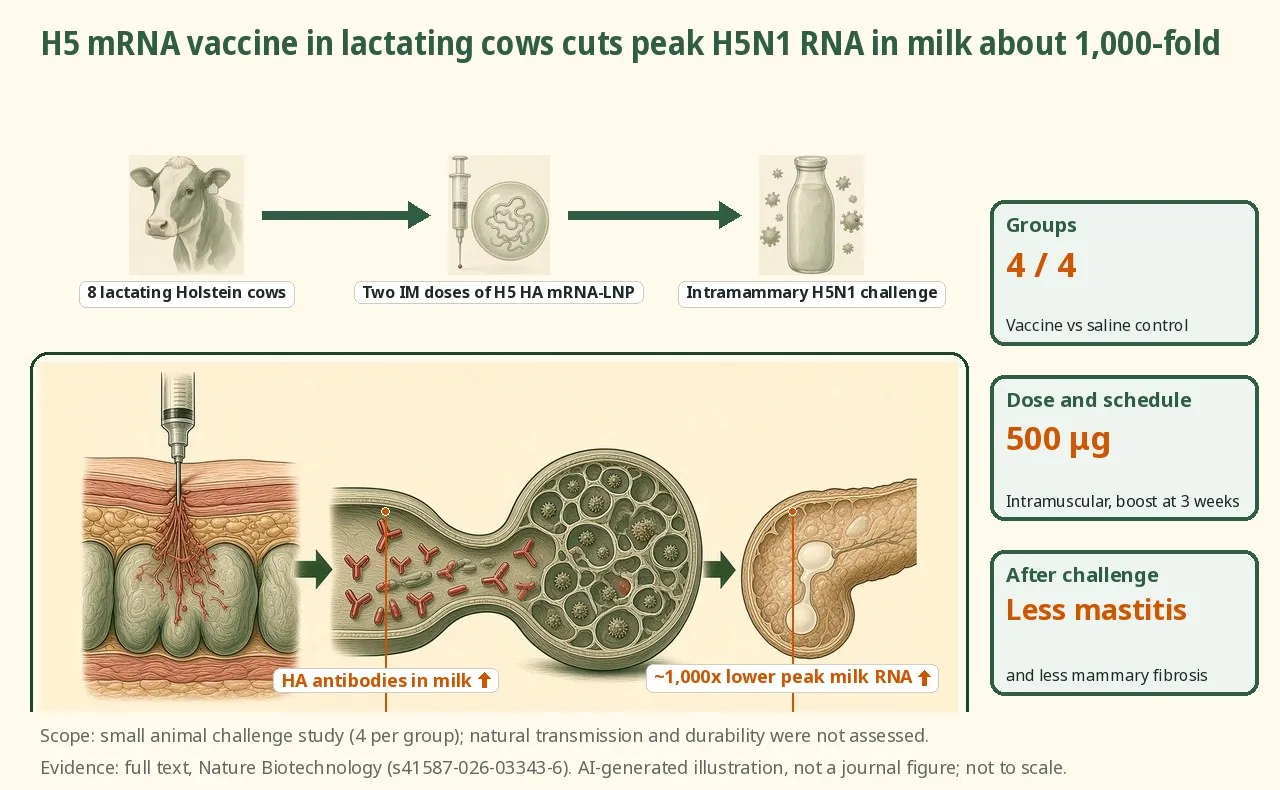
In a challenge study with 8 lactating dairy cows (4 vaccinated, 4 controls), an intramuscular H5 mRNA–LNP vaccine with a boost 3 weeks later induced HA-reactive and neutralizing serum antibodies and HA-reactive antibodies in milk. After intramammary H5N1 challenge, peak viral RNA in milk was about 1,000-fold lower, with less mastitis and mammary fibrosis.
Background and open questions
H5N1 has spread among US dairy cattle since 2024, with high viral loads in milk. It was unknown whether vaccination could protect the mammary gland.
Study design
Four lactating cows received an H5 mRNA–LNP vaccine intramuscularly with a boost three weeks later; four served as unvaccinated controls. Cows were then challenged by intramammary inoculation with H5N1.
Key results
- Vaccination elicited HA-reactive and neutralizing antibodies in serum and HA-reactive antibodies in milk.
- After challenge, milk viral RNA was significantly lower in vaccinated cows at multiple time points, with ~1,000-fold lower peak titers.
- Vaccinated cows had less mastitis and mammary fibrosis.
Mechanistic interpretation
Antibodies at the mammary gland are a plausible route to reducing virus shed in milk and onward spread on farms.
Limitations
- Very small groups (n=4 per arm).
- Experimental intramammary challenge may not match natural farm transmission.
- Duration of protection and field effectiveness were not tested.
Authors and source
Santos JJS, et al. Nature Biotechnology (open access, CC BY-NC-ND 4.0). Received 27 February 2026, accepted 14 September 2026, published online 28 October 2026. https://doi.org/10.1038/s41587-026-03343-6.
Numbers are as reported by the authors. Corrections: contact@
Related science
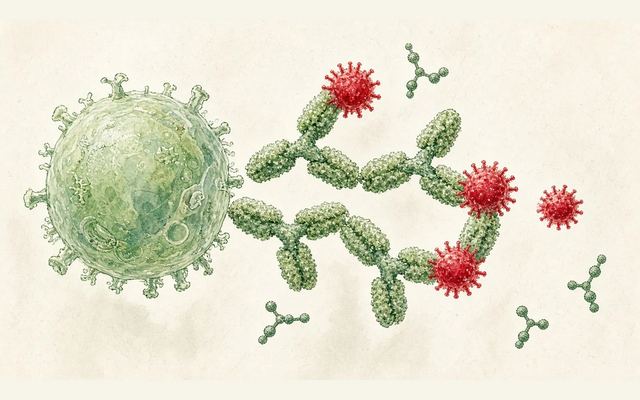
Triple therapy at 72 hours: 8 infant macaques aviraemic for 6 months off treatment
Virus particles and three drug chains, with red marking suppressed virus
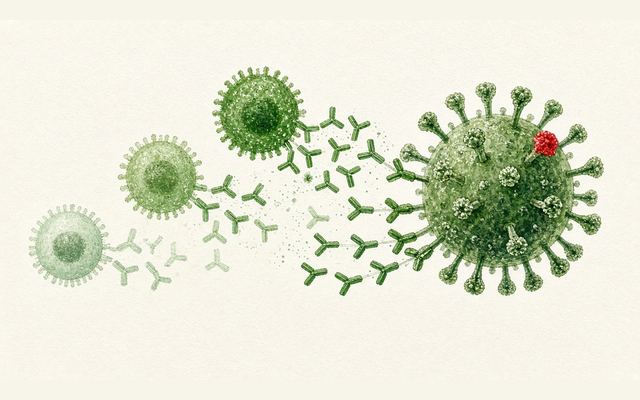
44% of rhesus macaques developed serum bnAb activity after the complete sequential HIV vaccine regimen
Three generations of B cells maturing step by step, with antibodies binding the viral spike at right
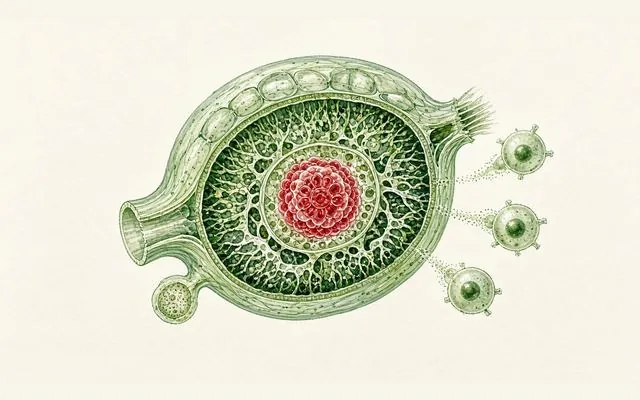
Observational study: mRNA-1010 recipients had larger increases in memory B cells
A cross-section of a lymph node germinal centre, with memory B cells at right
One email, with links to every paper. Reports and custom landscapes: contact@inlightbio.com.
Opens your email app with a pre-filled request; we add you by hand. Free, unsubscribe any time.