Intrathecal RAG-17 reached acceptable safety in 6 patients with SOD1-ALS, with cerebrospinal fluid SOD1 down 69% at day 240 in cohort 1
In an open-label trial in 6 patients with SOD1-ALS, intrathecal RAG-17 achieved acceptable safety and tolerability; cerebrospinal fluid SOD1 fell 69% from baseline at day 240 in cohort 1 and 56% at day 210 in cohort 2.
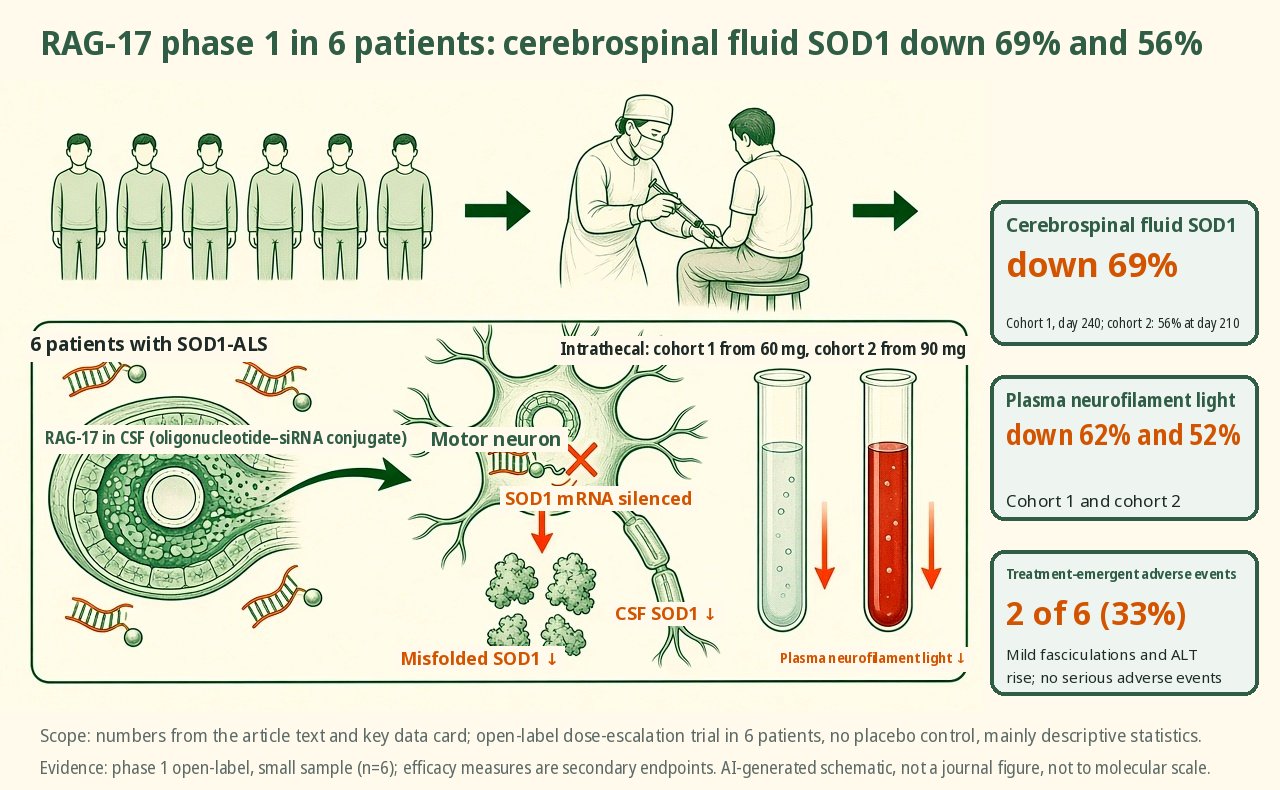
In an open-label dose-escalation trial in 6 patients with SOD1-ALS, intrathecal RAG-17 (an oligonucleotide–siRNA conjugate) was given starting at 60 mg for 7 doses in cohort 1 and 90 mg for 6 doses in cohort 2, with maintenance at 150 or 180 mg. Treatment-emergent adverse events occurred in 2 of 6 patients (33%), consisting of mild fasciculations and an ALT rise, both of which resolved spontaneously; there were no serious adverse events. Cerebrospinal fluid SOD1 fell 69% at day 240 in cohort 1 and 56% at day 210 in cohort 2; plasma neurofilament light fell 62% and 52% respectively. In monkeys, 50 mg lowered lumbar spinal cord SOD1 mRNA by 91% and cortical levels by more than 70%. The 6 patients were aged 26–67 years, 4 were women, disease duration was 33.3±22.7 months, and 4 had a family history.
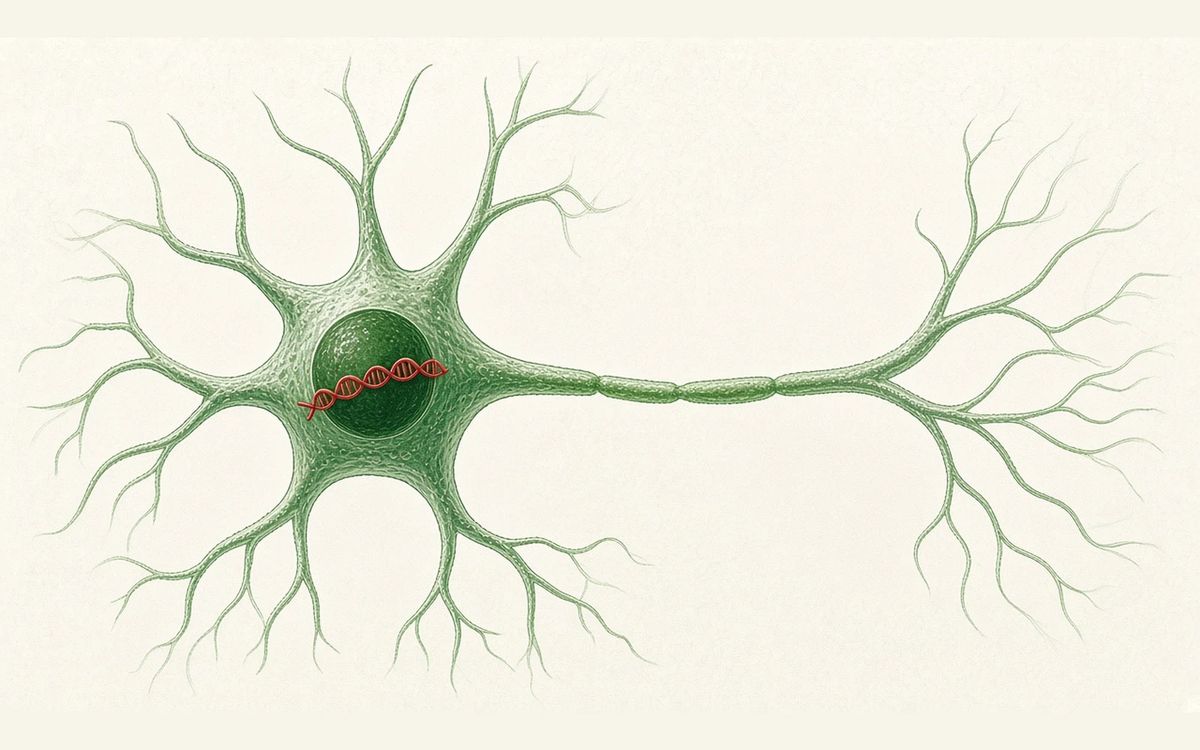
Key data card
- Study type: Open-label, single-centre, dose-escalation first-in-human trial, accompanied by preclinical rodent and cynomolgus monkey data
- Sample size n: 6 patients with SOD1-ALS (7 screened, 6 enrolled); cohort 1 n=3 and cohort 2 n=3. Mouse groups started at n=10–11; rats were n=16 for RAG-17, n=20 for the non-targeting control and n=11 for wild type; monkey tissue pharmacodynamics n=6 (day 22) and n=4 (day 71)
- Controls: No placebo in the clinical part. Artificial cerebrospinal fluid (aCSF) in mice; non-targeting control and wild type with aCSF in rats; aCSF in monkeys
- Intervention/dose: Intrathecal RAG-17. Cohort 1 started at 60 mg for 7 doses and cohort 2 at 90 mg for 6 doses, escalating in 30 mg steps to maintenance at 150 mg (n=5) or 180 mg (n=1); dosing days were 1, 15, 29, 60, 120, 180 and 240. Mice received 200 or 400 µg intracerebroventricularly; rats 0.9 mg intrathecally; monkeys 5, 20 or 50 mg intrathecally, one dose each on days 1 and 15
- Follow-up: Last clinical visit 11 July 2024; safety observed to about day 240. Monkey necropsies on days 22 and 71 after the first dose
- Primary endpoint: The protocol primary endpoint was safety and tolerability (adverse events, laboratory tests, vital signs, ALSFRS-R, physical examination and electrocardiograms within 240 days)
- Primary endpoint result: The authors judge that the primary safety endpoint was met, with acceptable safety and tolerability. Treatment-emergent adverse events occurred in 2 of 6 patients (33%), all mild to moderate and resolving; there were no serious adverse events. Key secondary endpoints: cerebrospinal fluid SOD1 fell 69% from baseline (cohort 1, day 240) and 56% (cohort 2, day 210); plasma neurofilament light fell 62% and 52%
- Statistics: Mainly descriptive statistics in the clinical part. Preclinical: one-way ANOVA with Dunnett or Tukey, Welch's t-test for two groups, two-way ANOVA with Bonferroni across time points, log-rank (Mantel–Cox) for survival and disease onset; P<0.05 considered significant. Sample sizes were not calculated in advance for power
- Safety: No serious adverse events, and no patient required invasive mechanical ventilation or died. Events considered possibly treatment-related were transient mild fasciculations in 2 patients and an asymptomatic ALT rise (>1.5 times baseline) in 1; 2 episodes of postural headache were judged post-lumbar-puncture headache. Serial cerebrospinal fluid cell counts were not performed systematically
- Evidence level: Full text
- Verification record: Europe PMC full-text XML (PMC13375534): abstract, Main, all Results sections, Discussion, Methods, legends for Figs. 1–4 and Extended Data Figs. 1–6, and Tables 1–2
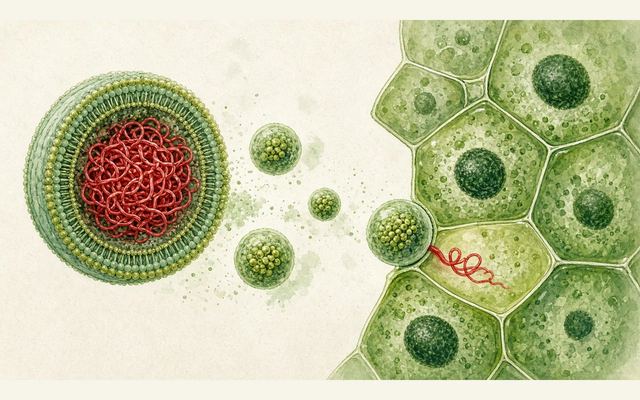
- An siRNA conjugated to a non-targeting accessory oligonucleotide (SCAD)
- Distribution in the central nervous system and siRNA release after intrathecal dosing
- Silencing of SOD1 mRNA, with falls in cerebrospinal fluid protein and plasma neurofilament
- Acceptable safety in 6 patients with SOD1-ALS
Background and open questions
Amyotrophic lateral sclerosis (ALS) still lacks adequate disease-modifying treatment. Gain-of-function mutations in SOD1 define a druggable genetic subtype, accounting for roughly 15–30% of familial ALS and about 2% of all cases, with higher proportions in Asian cohorts. The marketed antisense oligonucleotide tofersen, which degrades SOD1 mRNA, received accelerated approval, and its phase III provided controlled evidence on neurofilament light and later functional scores; delivery of siRNA to the central nervous system remains a weak point, and very few central siRNA programmes have reached the clinic.
In Nature Medicine, Chen et al. report RAG-17: a therapeutic siRNA duplex against SOD1 joined by a linker to a non-targeting, chemically modified accessory oligonucleotide (ACO), the so-called SCAD delivery approach. The paper combines in vitro, rodent, cynomolgus monkey and first-in-human data from 6 patients with SOD1-ALS, asking whether repeated intrathecal dosing of this conjugated siRNA has acceptable safety and whether cerebrospinal fluid SOD1 can be lowered.
Study design
The clinical part is an open-label, single-centre dose-escalation trial (CREATION, NCT05903690) approved by the ethics committee of Beijing Tiantan Hospital, Capital Medical University (KY2023-015-02). Eligible patients were aged 18–75 with confirmed SOD1-related ALS, a screening forced vital capacity (FVC) of ≥50% predicted and definite or probable disease by revised El Escorial criteria; exclusions included prior tofersen, permanent ventilator dependence and certain SOD1 positions (nucleotides 44–66 after the translation start site, or p.F21C). Between 22 May and 27 November 2023, 7 patients were screened and 6 enrolled (1 excluded for low FVC), and all completed their visits.
Cohort 1 started at 60 mg for 7 doses and cohort 2 at 90 mg for 6 doses, escalating in 30 mg steps to maintenance at 150 mg (5 patients) or a cap of 180 mg (1 patient). The lyophilized powder was reconstituted in aCSF to 5 ml and injected between L2 and L5. The primary endpoint was safety; secondary endpoints included pharmacokinetics, cerebrospinal fluid SOD1 and plasma neurofilament light. Preclinical work comprised intracerebroventricular dosing in mice after disease onset, repeated intrathecal dosing in rats, and dose-related tissue pharmacodynamics in monkeys. No statement of prespecified sample size calculation for between-group comparison was given.
Key results
Post-onset dosing in rodents and central knockdown in monkeys
Female SOD1^G93A mice received 200 or 400 µg intracerebroventricularly on postnatal days 126 and 151 (median survival in controls 169.5 days), later than the typical onset at about 90–100 days in this model. Relative to controls, late dosing at 200 and 400 µg delayed disease progression by 1 day and 45.5 days and extended survival by 78.5 days (a 46.3% increase) and 128.5 days (75.8%); early dosing (days 70/100, 400 µg) gave a median survival of 331 days (a 95% increase). With 0.9 mg intrathecally twice in rats: median onset in non-targeting controls was 187.5 days and median lifespan 215.5 days; the RAG-17 group had not reached median onset by the day-290 endpoint, with only 1 of 16 animals symptomatic; ChAT-positive motor neurons in the lumbar spinal cord were 42.2% higher than in non-targeting controls (P=0.0409), though still below wild type.
The cynomolgus target sequence has a single base mismatch at position 13 of the antisense strand, but knockdown potency in COS-1 cells, which share the cynomolgus target sequence, was comparable to that in human T98G cells. After intrathecal dosing, cerebrospinal fluid concentrations far exceeded plasma, with cerebrospinal fluid/plasma ratios of 200–900 between 2 and 48 hours after dosing. A dose of 50 mg lowered lumbar spinal cord SOD1 mRNA by 91%, with the effect lasting to day 72; in the cerebral cortex far from the injection site, peak knockdown was 40% at 20 mg and more than 70% at 50 mg. Lumbosacral cord ED50 values were 3.889 mg and 5.031 mg on days 22 and 71, and cortical values 51.37 mg and 108.4 mg; IC50 values were 165.2 ng/g and 376.1 ng/g respectively.
Baseline characteristics of participants
The 6 patients were aged 26–67 years (mean ± standard deviation 45.5±15.3), 4 were women, disease duration was 33.3±22.7 months and 4 had a family history. Variants included p.Gly42Asp (2 patients) plus p.Asn87Ser, p.Gly142Ala, p.Ser106Leu and p.His49Arg in 1 patient each; the pathogenicity of p.Gly142Ala has been disputed, and the authors support inclusion on the basis of its absence from gnomAD, published cases and in vitro models (95% probability of disrupting SOD1 function, ClinVar 2436219). Baseline plasma neurofilament light was 118.5±111.2 pg/ml, cerebrospinal fluid SOD1 87.0±27.6 ng/ml, ALSFRS-R 38.2±7.4 and FVC% 92.5±20.1. Four patients had taken riluzole and 1 edaravone.
Safety (primary endpoint)
Treatment-emergent adverse events occurred in 2 of 6 patients (33%). Patients 1 and 2 developed transient mild fasciculations after the first dose (60 mg and 90 mg) that resolved spontaneously and did not recur after dose escalation, judged treatment-related. Patient 1, who had pre-existing fatty liver and abnormal liver function, had an asymptomatic ALT rise to more than 1.5 times baseline before the 180 mg dose, with no further rise on continued dosing, judged possibly related to both the drug and the underlying condition. Other events included 2 headaches (postural, resolving after fluids, judged puncture-related rather than drug-related), 2 falls, and one each of common cold, fever, abdominal pain, urinary tract infection and limb pain, all judged unrelated to the drug. There were no serious adverse events. Apart from the ALT rise above, blood counts, metabolic panels, in-hospital vital signs, cardiopulmonary and abdominal examination, neurological examination and electrocardiograms showed no clinically meaningful consistent abnormalities. No patient required invasive mechanical ventilation or died by the end of the study. The authors emphasize that systematic serial cerebrospinal fluid cell counts were not performed, so subclinical pleocytosis cannot be excluded.
Pharmacokinetics and target engagement (secondary endpoints)
Plasma concentrations generally peaked 6–12 hours after intrathecal dosing and returned close to baseline by 48 hours. Patient 4 had an anomalous early peak 1 hour after the second dose and values below the limit of quantification after the sixth; patient 5 peaked within 4 hours after the first and fourth doses. The authors attribute the occasional early peaks to the puncture procedure or individual differences in cerebrospinal fluid/venous drainage, and note that peripheral pharmacokinetic fluctuation did not impede central pharmacodynamics. Pharmacokinetic samples per dose level were n=3 at 60 mg, n=5 at 90 mg, n=7 at 120 mg, n=17 at 150 mg and n=3 at 180 mg (after excluding the anomalous points above).
Cerebrospinal fluid SOD1 fell progressively in all participants with repeated dosing: a mean fall of 69% at day 240 in cohort 1 (n=3, 7 doses) and 56% at day 210 in cohort 2 (n=3, 6 doses). Plasma neurofilament light reached individual nadirs of roughly 50–85% in 5 of 6 patients; patient 1 fell by more than 60% at day 120 and then rose back close to baseline by day 240, unlike the continued declines in the other 5. At the end of the study the cohort means were falls of 62% (day 240) and 52% (day 210). Nadirs occurred before the maintenance phase (after the fifth dose) and rose slightly once intervals lengthened, though they remained below baseline.
Exploratory functional readouts
ALSFRS-R fluctuated between individuals over the maximum 210/240 days: patient 3 improved by 4 points at the final visit, while patient 2 declined the most, driven mainly by the respiratory subscore. Retrospective estimates gave pre-treatment progression of 0.430±0.172 points/month versus 0.295±0.187 points/month observed after treatment; this estimate lacks a prospective baseline period, which the authors themselves list as a limitation. Most participants showed no clear worsening in bulbar, trunk or limb subscores, with gradual declines in respiratory subscores in some. Exploratory FVC was above baseline at the final visit in patients 3 and 4. Clinical stage was unchanged in 4 patients and progressed in 2. The motor band sign was visible on baseline 7 T SWI in 3 of 6 patients, with no clear change at days 29, 90, 180 and 240 after treatment.
Mechanistic interpretation
Demonstrated in the paper: RAG-17 is an siRNA duplex targeting SOD1 conjugated to a non-targeting chemically modified ACO. During incubation in human serum the duplex was released progressively from day 1, with most ACO still bound. Five potential off-targets selected for full seed complementarity to the guide strand with ≤4 mismatches in the extended region (CYTH2, NDUFC2, DISP2, KNOP1 and UBAP2L) showed no significant mRNA changes at 0.25–25 nM. In human peripheral blood mononuclear cells, whether by gymnotic uptake or transfection, neither RAG-17 nor its duplex or ACO components induced IFN-α, TNF or IL-1β. After intrathecal dosing in rats the drug distributed widely in the central nervous system, highest in the lumbar cord near the injection site; clearance half-lives were 6–9 days in kidney and liver and 20–27 days in the central nervous system. Tissue exposure in monkeys correlated with SOD1 mRNA silencing.
Author hypotheses: The shorter oligonucleotide length (the paper stresses that the ACO is 14 nucleotides, shorter than the 20-mer ASO tofersen) may be less likely to trigger off-target hybridization or innate immunity, offered as an explanation for the absence in this small sample of the inflammatory or neurotoxic clinical signs reported with some ASOs. This explanation has not been tested in a head-to-head controlled trial. The authors also speculate that even with incomplete rescue of late-stage motor neurons, preserving motor units may allow functional compensation; neuromuscular junction denervation was not assessed in the available tissue specimens.
Limitations and uncertainties
- The trial is open-label, single-centre and limited to 6 patients with no placebo; SOD1 variants are heterogeneous and some have slower natural histories, so direct comparison with tofersen trials enriched for fast-progressing variants is inappropriate.
- Pre-treatment ALSFRS-R progression was estimated retrospectively with no prospective observation period, so post-treatment functional changes cannot be taken as confirmatory efficacy. The rebound in neurofilament light in patient 1 shows that individual trajectories are not uniform.
- Neither humans nor animals had serial cerebrospinal fluid cell counts collected systematically, so subclinical inflammation cannot be excluded. The neuromuscular junction was not assessed preclinically. Only longer, randomized controlled trials can establish safety and efficacy.
Clinical and industry implications
If controlled trials reproduce the target engagement and acceptable safety, SCAD conjugation offers a route to central siRNA that does not depend on lipid nanoparticles and can be dosed intrathecally and repeatedly, potentially maintaining silencing with longer intervals — mRNA reduction in monkey tissue was observable for about 71 days. For SOD1-ALS, where tofersen already exists, it is currently only a candidate complement rather than replacement evidence.
Translation still depends on inflammation monitoring in larger samples (including cerebrospinal fluid cells), controlled safety comparisons with existing ASOs, and functional endpoints in fast-progressing variants. If the platform holds up, the same conjugation strategy might point to other central nucleic acid targets, but that is extrapolation rather than data from this paper.
Authors, source and verification
Evidence level: Full text; verification record: Europe PMC full-text XML (PMC13375534): abstract, Main, all Results sections, Discussion, Methods, legends for Figs. 1–4 and Extended Data Figs. 1–6, and Tables 1–2. The licence is CC BY-NC-ND 4.0, so the text is a paraphrase and does not reproduce the original sentence by sentence.
Chen W, Jiang L, Duan C, Kang M, Ye J, Wang L, et al. Oligonucleotide–siRNA conjugate for SOD1 amyotrophic lateral sclerosis: a phase 1 trial. Nat Med. 2026 Jul 15. https://doi.org/10.1038/s41591-026-04491-7
Primary field: Nucleic acid & gene therapy · Related: SOD1-ALS, RAG-17, SCAD, Intrathecal siRNA, Neurofilament light, Phase 1 dose escalation
Summary of a published paper or preprint, written from the original text; numbers are as reported by the authors. Not medical or investment advice. Corrections: contact@
Related science
A single inhaled dose of ARO-RAGE lowered BALF sRAGE by 90.2%
Alveoli and droplets at left, with the siRNA cleaving messenger RNA at right
Charge-switchable LNPs did not raise IL-6 and other inflammatory cytokines in LPS-pretreated mice
Lipid particles and a macrophage, with sparse red inflammatory cytokines at right
A single dose of PE-LNP achieved 49% precise editing across the mouse liver
A lipid particle carrying red editing components into a hepatocyte
One email, with links to every paper. Reports and custom landscapes: contact@inlightbio.com.